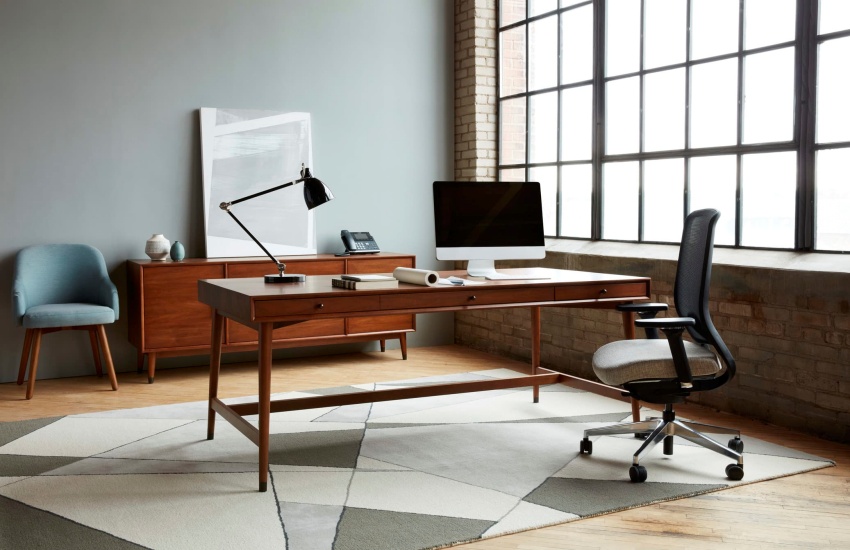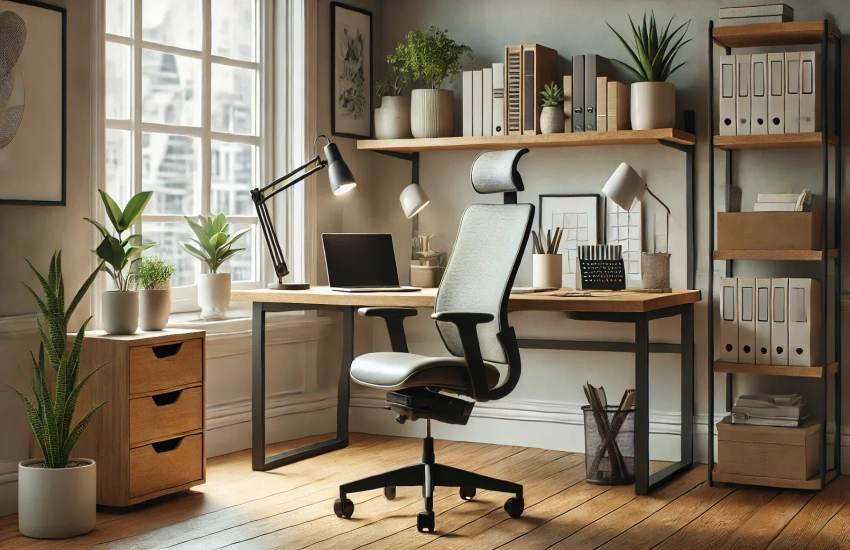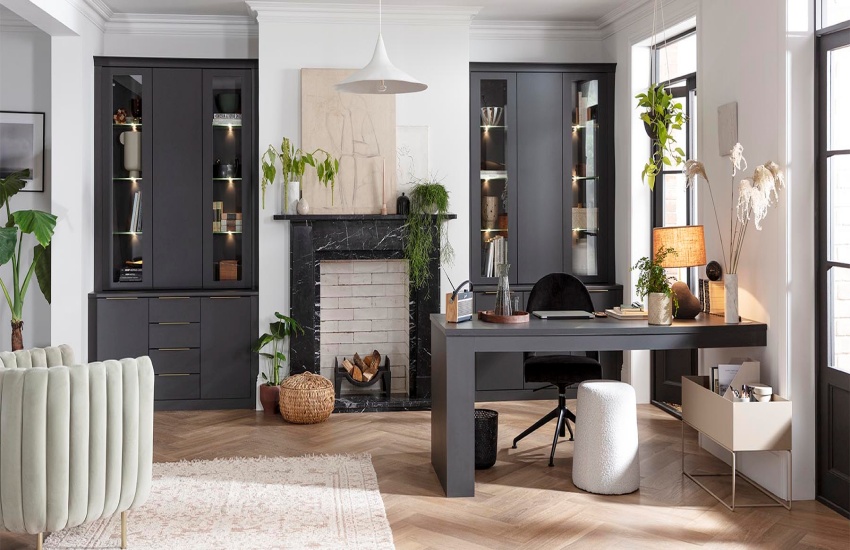
Firstly, consider comfort. The importance of comfortable office furniture cannot be overstated. Ergonomic chairs and desks can help maintain good posture and reduce the risk of back pain and other physical discomforts. Adjustable chairs and desks are ideal as they can be customized to individual needs, promoting better posture and reducing strain.
Next, think about functionality. Office furniture should cater to your work needs. Desks with adequate storage for essential files and a spacious surface for computers and other tools are crucial. Also, consider furniture that can be easily moved or adjusted to accommodate different tasks and activities.
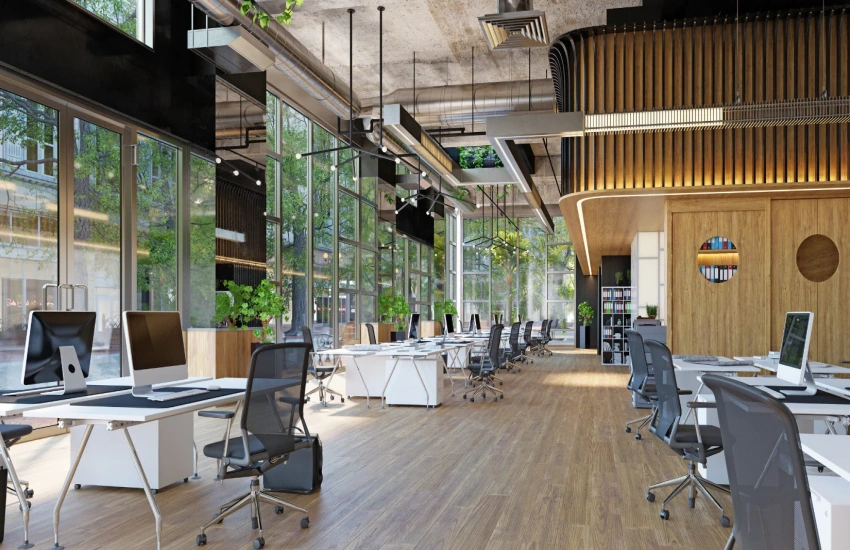
Size is another important factor. Avoid bulky furniture that can make your office feel cramped and restrict movement. Measure your office space before purchasing furniture and plan your layout carefully to ensure a balanced, spacious work environment.
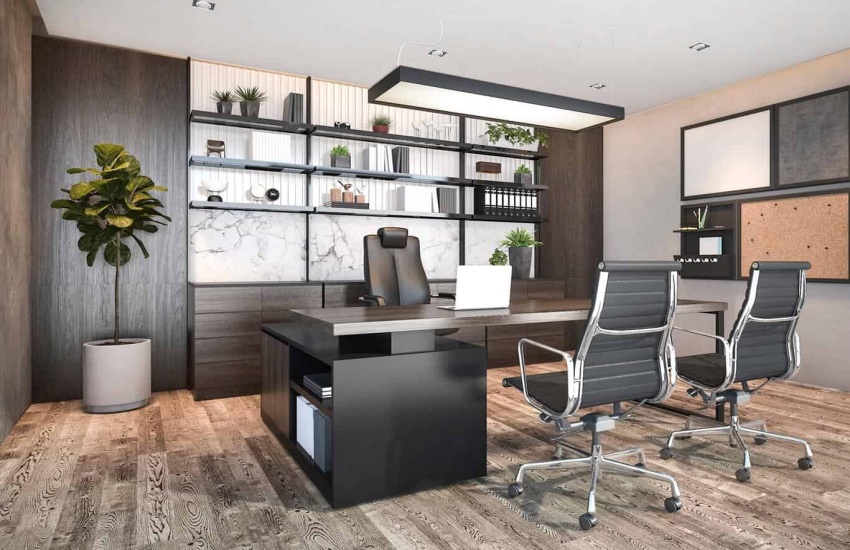
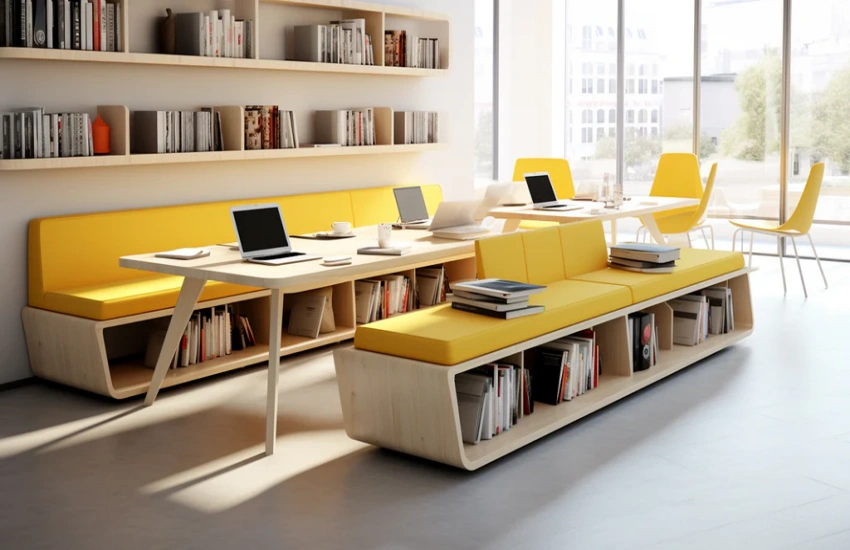
The layout of your furniture can also impact productivity. Arrange your furniture in a way that encourages communication for collaborative tasks. For work that requires concentration, ensure there’s enough distance between workstations to reduce distractions.
Finally, consider your budget. While cost is always a factor, it’s important not to compromise on comfort and durability. High-quality furniture may seem expensive initially, but the benefits in terms of employee health and productivity make it a worthwhile investment.
To wrap up, choosing the right office furniture is not just about aesthetics. It’s about creating a work environment that promotes productivity, creativity, and well-being. By considering comfort, functionality, size, aesthetics, durability, layout, and cost, you can create a workspace that positively impacts your team’s performance and satisfaction. Your office furniture is not just a physical entity; it’s a crucial part of your work culture.